
How to Keep Rats Out of Your Garage: 7 Proven Prevention Tips.
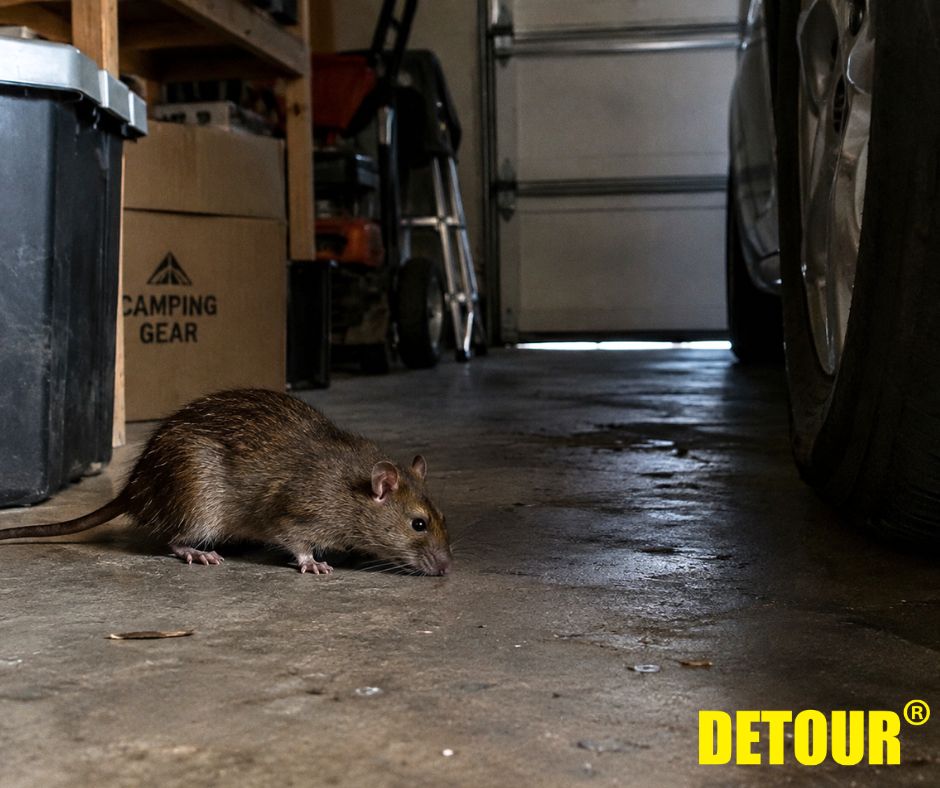
Garages attract rodents because they offer abundant shelter, warmth, clutter, stored food, pet kibble, and easy access to vehicles and wiring. To keep rats out of your garage, eliminate these attractants, physically block entrances, and make the areas rats travel through is unappealing. Proactively addressing these root causes ensures your space remains pest-free and protects property from destructive gnawing.
Why Are Rats Attracted to Garages?
Understanding what draws rodents inside is the foundation of learning to keep rats out of garage spaces:
- Shelter: Dark corners provide safe harbor from weather and predators.
- Food: Pet food, birdseed, and pantry items offer a consistent diet.
- Water: Leaky plumbing or standing puddles create hydration sources.
- Nesting materials: Cardboard, old clothing, and paper are easily shredded.
- Warm vehicles: An engine bay stays warm, inviting rats to nest.
- Easy entry points: Damaged weatherstripping or open vents grant instant access.
1. Remove Easy Food Sources
To figure out how to get rid of rats in garage spaces, you must cut off their food supply entirely.
- Pet food: Transfer kibble into chew-proof, airtight bins.
- Birdseed and grass seed: Store in thick metal or hard plastic containers.
- Garbage: Never leave trash bags on the floor; use tightly sealed bins.
- Stored food: Move emergency pantry supplies inside the main house.
2. Reduce Garage Clutter
Clutter creates the perfect environment for rodents to hide, breed, and build nests undetected. Cardboard boxes are especially problematic. Improve your rat prevention garage tactics by replacing cardboard with heavy-duty plastic storage bins featuring tight-fitting lids. Elevate these bins using wire shelving to eliminate hidden corners where pests feel secure.

3. Keep Trash and Storage Containers Sealed
Even organized garages fall victim to rodents if storage materials are flimsy. Rats have powerful teeth that slice through thin plastic bags. Invest in durable, thick plastic or metal storage tubs for camping gear and supplies. Practice strict sanitation by sweeping up spills immediately and ensuring trash receptacles have heavy, locking lids.
4. Seal Gaps and Entry Points
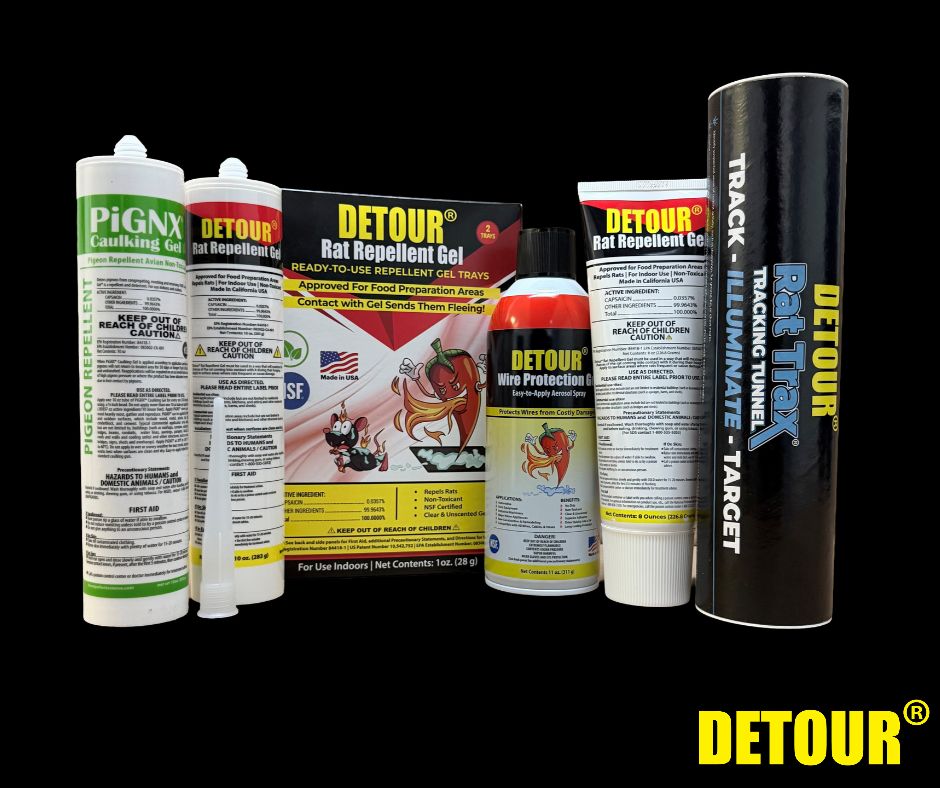
Rats squeeze through gaps as small as a quarter. Inspect garage doors, exterior walls, foundation vents, and pipe penetrations. Replace worn weatherstripping along the bottom of the main garage door immediately. Fill foundation cracks or gaps around side doors using heavy-duty wire mesh, steel wool, and DETOUR® Rat Repellent Gel for a deterrent layer of protection.
5. Protect Your Vehicle and Electrical Wiring
A car parked inside a cold garage acts as a powerful magnet for rodents seeking warmth. The soy-based insulation surrounding automotive wires serves as a secondary food source. If you wonder Why Do Rats Chew on Wires?, their teeth grow continuously, and gnawing files them down. Protect your engine bay by applying DETOUR® Wire Protection Gel directly to vulnerable wiring. This specialized rat repellent for garage applications safely deters rodents from causing catastrophic electrical damage.
6. Target the Areas Rats Travel
Rats rarely run across open garage floors. They navigate cautiously, sticking close to baseboards, walls, and established structural pathways. Applying DETOUR® Gel, Caulking, or Gel Trays along these specific routes creates a highly effective repellent barrier. While this should not replace basic sanitation and exclusion, integrating a high-quality deterrent along travel paths is essential for long-term prevention.
7. Check Your Garage Regularly for Signs of Rats
Early detection stops a single rodent from turning into an infestation. Inspect your space monthly for these indicators:
- Droppings: Small pellets found along baseboards or behind boxes.
- Gnawing: Fresh chew marks on wood beams or plastic bins.
- Grease marks: Dark smudges left on walls as rats rub against them.
- Nesting material: Piles of shredded fabric, cardboard, or insulation.
- Damaged packages: Ripped bags of pet food or grass seed.
- Chewed wires: Damaged cords or shredded vehicle hood insulation.
What to Do If Rats Keep Coming Back
If you implement these garage rodent control strategies and rats return, an unsealed entry point or hidden attractant remains. Inspect the attic above the garage and behind heavy appliances. It is helpful to understand Do Rat Repellents Actually Work? when applied alongside physical exclusion. Severe, persistent infestations may ultimately require professional pest-control intervention.
Create a More Complete Rat Prevention Strategy With DETOUR®
Achieving complete rodent control requires a multi-layered approach. Choosing a safe rat repellent strategy keeps your property protected without leaving toxic baits in your walls. DETOUR® Rat Repellent Gel products naturally complement your exclusion and sanitation efforts by turning the exact pathways rats use into active deterrent zones.
Shop DETOUR® Rat Repellent Products today to secure your garage.

Frequently Asked Questions About Keeping Rats Out of Your Garage
What is the best rat repellent for a garage?
The most effective approach combines physical exclusion with a reliable deterrent like DETOUR® Rat Repellent Gel. Applying these specialized contact repellents directly along walls and known travel paths creates an unappealing sensory deterrent, successfully preventing rodents from settling inside your garage long-term.
Does keeping the garage door open during the day prevent rats?
No, leaving your garage door open actively invites rodents inside. Rats enter quickly to scope out hidden food sources, shelter, or nesting materials. You should always keep the main garage door closed and ensure the bottom rubber weatherstripping remains fully intact.
Why are rats suddenly in my garage?
A sudden appearance usually indicates a new attractant or shifting external weather. Drops in temperature drive rats indoors seeking warmth. Additionally, newly stored pet kibble, exposed birdseed bags, or increased cardboard clutter can quickly turn your garage into an appealing habitat.
Can rats chew through my garage door?
Yes, rats possess incredibly strong teeth that never stop growing. They easily gnaw through soft rubber weatherstripping, rotting wood, thin plastic, and lightweight aluminum to gain access. Use rodent-proof materials like steel wool or heavy wire mesh to securely seal potential entryways.
Will peppermint oil keep rats out of my garage?
While strong scents like peppermint oil are heavily promoted as DIY remedies, they are generally ineffective for serious garage rodent control. Their odors dissipate quickly in large, drafty spaces. Using professional-grade DETOUR® Rat Repellent alongside thorough physical exclusion is a much more reliable strategy.