
How Can Pest Pros Keep Rats and Mice Out of Stored Boats and Equipment?
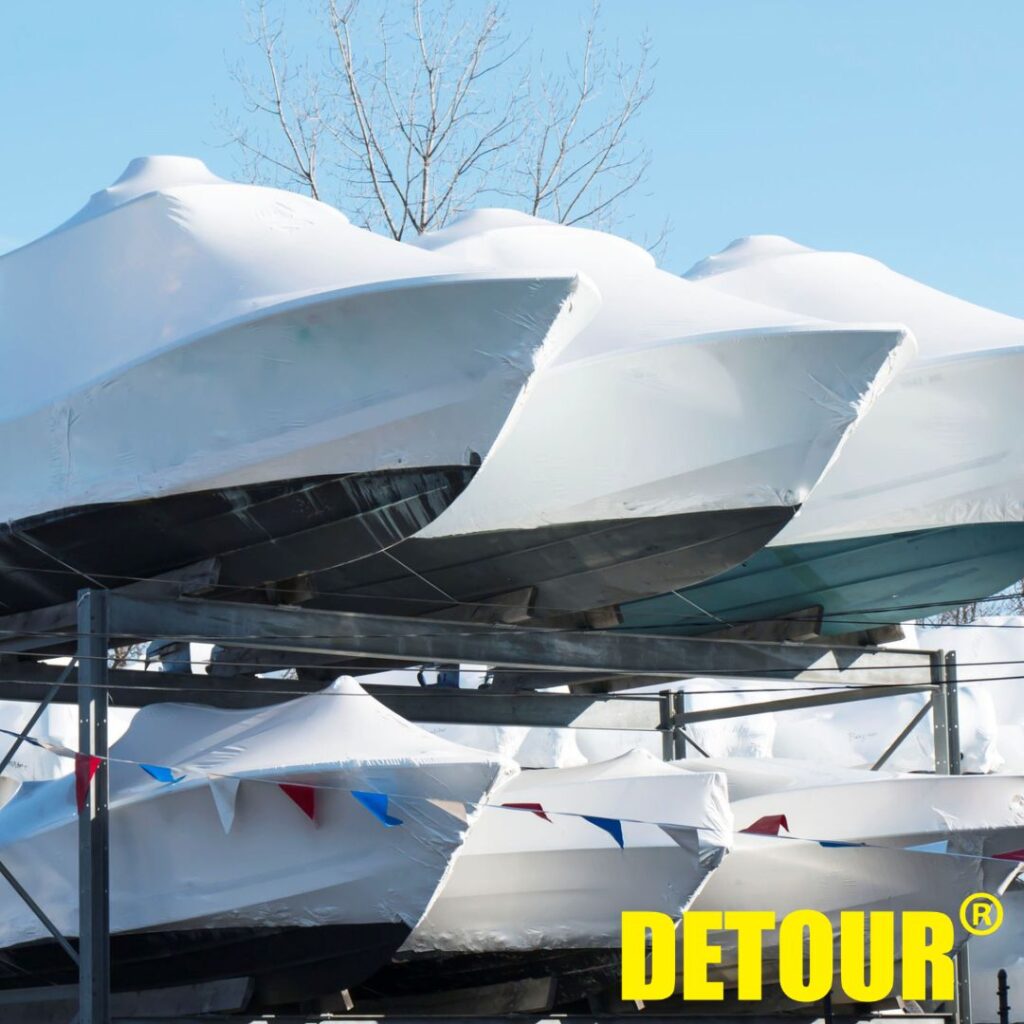
Pest professionals keep rats and mice out of stored boats and equipment with four steps: a careful inspection, cleaner storage conditions, exclusion at entry points, and label-directed deterrents on wiring rodents chew. No single product does the whole job. The plan works because each layer covers a gap the others leave.
Key takeaways
- Inspect wiring, engine bays, lockers, upholstery, covers, and the storage area.
- Remove food and nesting material, and seal gaps without blocking vents or drains.
- Use DETOUR® Wire Protection Gel only where the label allows, as one layer of the plan.
What Conditions Can Encourage Activity Around Stored Boats and Equipment?
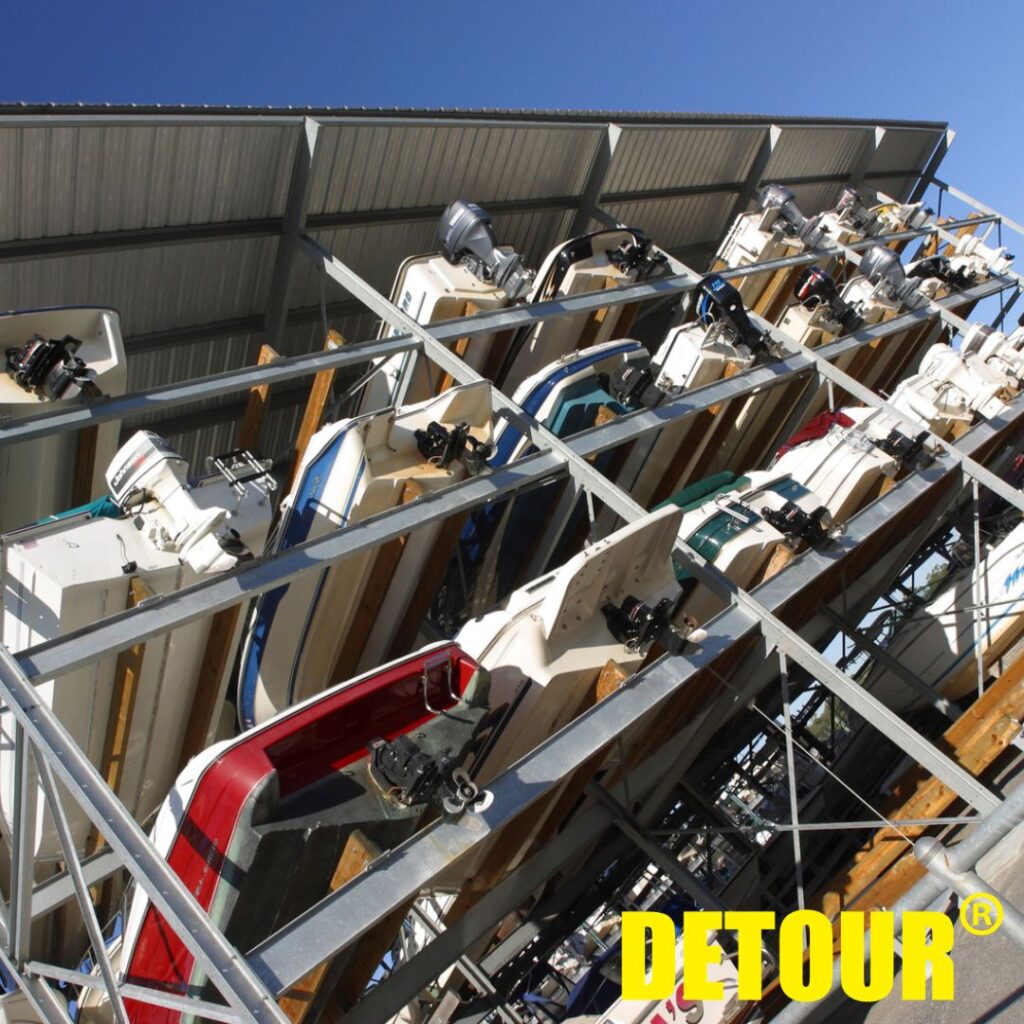
Shelter, food, clutter, and easy access draw rodents to stored assets. DETOUR® notes that boats, Jet Skis, ATVs, and snowmobiles often sit months shrink-wrapped, tarped, or shedded, making each one a warm, enclosed nesting site with wiring to chew.
Food left aboard or garbage nearby adds to the draw. Stacked gear and boxes give rodents cover, and open hatches, cable gaps, and a grounded trailer tongue give them a way in.
The stakes are high for owners. Yachting Monthly notes that rodent gnawing can damage wiring and cause fires. Insurance often won’t help either. Writing in Pontoon & Deck Boat Magazine, insurance agent Scott “Sky” Smith explains that animal damage to seats or wiring is usually treated as a maintenance issue and excluded. That makes prevention worth explaining to marina and storage clients.
Which Areas Should Professionals Inspect?
Focus on the places rodents nest and chew:
- Wiring and harnesses: gnawed insulation, connector boots, and cable looms.
- Engine compartments and bilge: nests and droppings along wiring runs.
- Storage compartments and lockers: shredded paper, fabric, or packaging.
- Upholstery and cushions: chewed seams and pulled stuffing.
- Covers and shrink wrap: holes, tie-down gaps, and loose edges.
- The storage area: droppings, rub marks, and burrows along walls and racks.
Follow equipment safety procedures first. Disconnect power and follow lockout/tagout before working around energized equipment.
How Can Storage Conditions Be Improved?
Clean conditions take away the reasons rodents stay. Remove all food, crumbs, and scented items, plus old nesting material and loose rags that could become bedding.
Reduce clutter and keep a clear path around the unit, so inspectors can see the hull, trailer, and walls on every follow-up visit.
Where Can Exclusion Help?
Exclusion works best where a gap is a real entry point and can be closed without harming the equipment. The University of California IPM program advises sealing openings larger than ¼ inch to keep out both rats and mice, and covering building vent grills with ½-inch galvanized mesh so air still moves.
Never block vents, drains, or anything the equipment needs to operate. If you plug an opening for storage, tag it so it’s removed before start-up. For openings that must stay open, treat the edges instead of the hole itself. The DETOUR® 8 oz. Squeeze Tube label calls for applying gel along the inside and outside edges of holes.
DETOUR®’s Marine & Powersports guidance calls the trailer tongue “the gangplank.” It recommends treating the trailer tongue and frame contact points, hull drains and vents, and the surrounding storage structure with DETOUR® Rat Repellent Gel before the cover goes on.
Where Might Rat and Mouse Deterrents Fit?
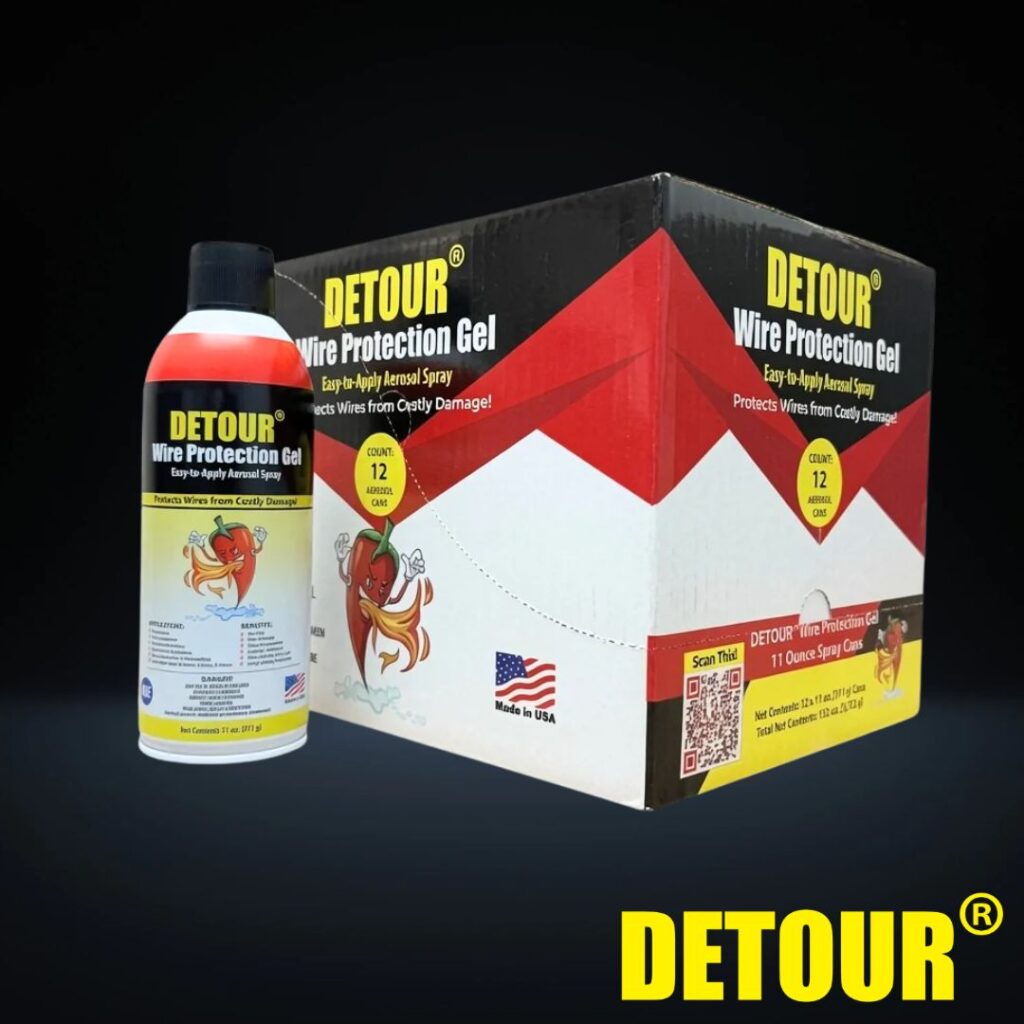
A deterrent protects the parts rodents chew. DETOUR® Wire Protection Gel is an 11 oz. aerosol whose application sheet lists boat, RV, and powersports wiring, engine compartment wiring and hoses, and undercarriage wiring among its recommended areas. DETOUR® advises coating engine and accessory wiring before the unit is wrapped or covered for the off-season.
Follow the label directions:
- Wear gloves and eye protection, and work with good ventilation.
- Clean and dry the surface first. Seal porous surfaces before applying, or the gel may leave a white film.
- Shake the can well and spray from 4–6 inches away until the surface is generously coated. Several layers may be needed.
Confirm that the gel is compatible with each surface. DETOUR® states that the gel won’t corrode plastic shielding, rubber hoses, or electrical connections, but check the equipment manufacturer’s guidance too.
Gel formats reach tight spots that other treatments can’t. In a testimonial on the DETOUR® site, Chris Acosta, a pest control operator in Los Angeles, says the gel “can be placed where no other pesticide can go.”
Still, the gel supports a prevention plan. It doesn’t replace sanitation or exclusion.
Why Are Follow-Up Inspections Important?
Storage conditions change, and rodent pressure changes with them. Follow-up visits catch fresh droppings, new chewing, damaged covers, and gear moved around the unit. A simple log keeps each visit consistent:
|
Fresh activity |
Droppings, gnaw marks, nests, tracks (with photos) |
|
Materials |
Damaged wiring, covers, cushions, or seals |
|
Treatments |
Product, location, and date of each application |
|
Storage changes |
New clutter, moved gear, food, or open hatches |
DETOUR® advises re-coating stored and seasonal equipment annually, and inspections tell you when a spot needs attention sooner.
Conclusion: A Layered Plan to Keep Rats and Mice Out of Stored Boats
Inspect first, fix storage conditions, seal entry points safely, and protect wiring with a deterrent where the label allows. Then keep checking regularly.
Review the DETOUR® Wire Protection Gel details and application sheets on the How To Use page before your next layup job.

Frequently Asked Questions
Do covered boats still need rodent protection?
Yes. A cover or shrink wrap can trap a rodent inside with shelter all season. Inspect and treat wiring before the cover goes on, and check the cover for gaps.
What should a wiring inspection include?
Check harnesses, connector boots, and cable looms in the engine bay, bilge, and under seats for gnaw marks, droppings, and nests. Disconnect power first.
How should equipment be prepared for storage?
Remove food and nesting material, clean and dry the wiring, seal entry points without blocking vents or drains, and apply DETOUR® Rat Repellent Gels and DETOUR® Wire Protection Gels per the label before covering.
Where should deterrents be placed?
Apply DETOUR® Wire Protection Gel to the wiring and hoses its label lists. Place DETOUR® Rat Repellent Gel at access points such as the trailer tongue and frame contact points.
What if activity continues after treatment?
Re-inspect to find the new route, check for entry points you missed, and fix the storage conditions. Then re-treat as the label directs and keep logging visits.
Protect Your Flock With DETOUR®
A cleaner, tighter coop is the foundation of rat prevention. Add a deterrent layer to help protect your feed, eggs, and flock. Explore DETOUR® rat deterrent products to find the right format for your coop, or see where to buy DETOUR® rat repellent today.