
Where Do Rat and Mouse Deterrents Fit in an Integrated Pest Management Program?
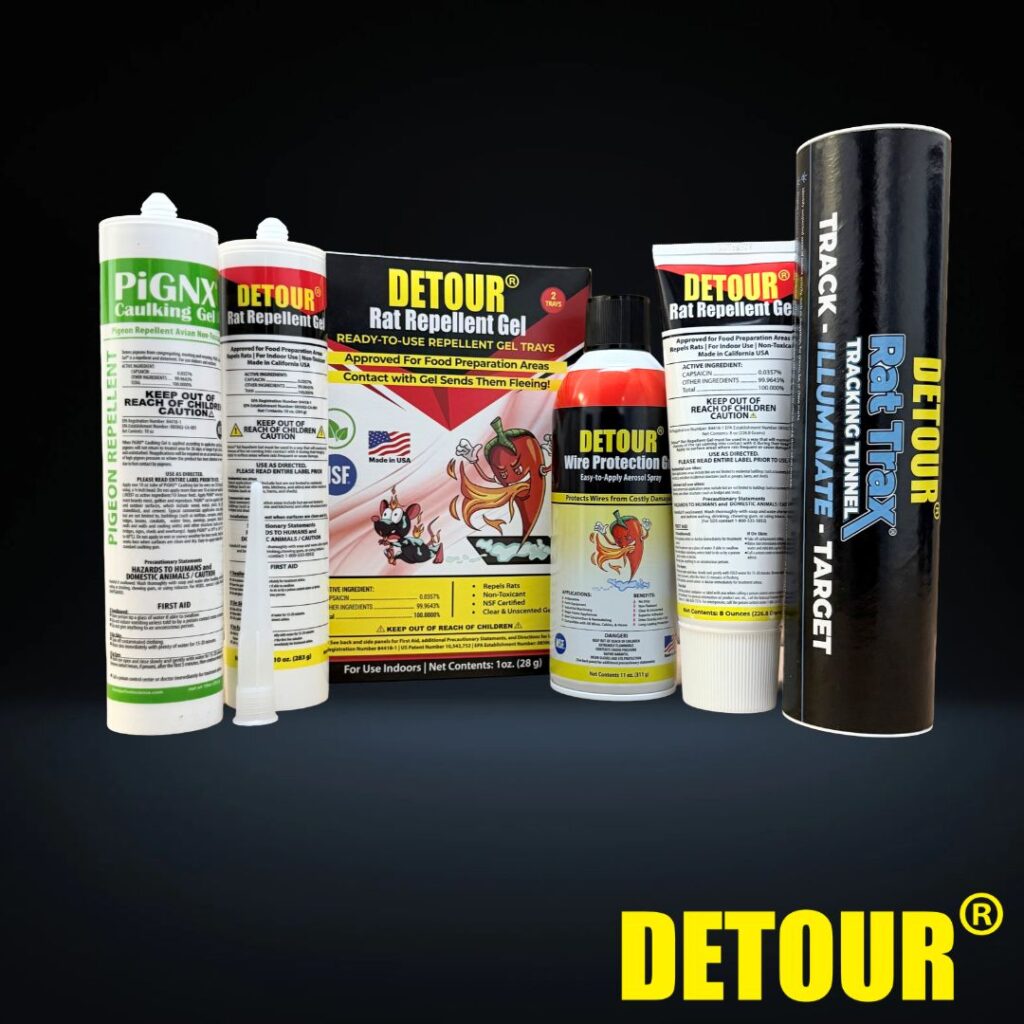
Rat and mouse deterrents fit in an integrated pest management (IPM) program as a support layer. They come after inspection, sanitation, and exclusion, and they work alongside traps and monitoring. They protect specific surfaces and entry points, but they never replace sealing gaps or removing food.
Key takeaways
- Inspection decides whether a deterrent is needed, and where.
- Deterrents back up exclusion and sanitation; they don’t replace them.
What Does an IPM Approach Include?
An IPM approach is an evidence-based cycle, not a single product. The EPA describes IPM as monitoring and identifying pests, preventing problems, and choosing controls by effectiveness and risk. For rodents:
- Inspection: droppings, rub marks, gnawing, runways.
- Identification: rat or mouse. Penn State Extension notes a mouse fits through a dime-size hole, a rat through a quarter-size one.
- Sanitation: remove food, water, and clutter.
- Exclusion: British Columbia’s rodent guidance advises sealing openings over ¼ inch with durable materials.
- Monitoring: devices and tracking show where rodents are active.
- Control measures: traps, stations and, where they fit, deterrents.
- Evaluation: compare records and adjust.
Deterrents belong in step 6, mainly as backup for step 4. DETOUR® calls this the “exclusion-plus layer” between physical exclusion and lethal control.
When Might a Deterrent Be Useful?
A deterrent is useful when a surface needs protection that sealing or trapping can’t fully give:
- Around sealed entries. Rodents often chew the wood, drywall, or foam beside a fresh seal. DETOUR®’s professional guidance is to bead around each sealed entry and onto wire mesh and copper wool.
- Before sealing a roofline. Treat roofline entries first so rodents already inside leave rather than get trapped.
- Bait-restricted accounts. Schools, hospitals, daycares and food plants often restrict rodenticides. At Santa Anita Race Track, DETOUR® reports rodenticide posed unacceptable risks to horses, so the DETOUR® Rat Repellent Gel went into stable underpinnings, feed storage, conduit runs and service tunnels instead.
- Steering traffic. Treating runways you want rodents to avoid can concentrate travel along your trap and station lines.
Every use must be label-permitted for the site. Types differ, too: BC’s guidance notes ultrasonic devices may work at first, but rodents get used to the sound. DETOUR® doesn’t rely on odor or sound; its capsaicin gel works on contact when a rodent touches the treated surface. Which creates an intense burning sensation the rats and mice associate with fire and heat.
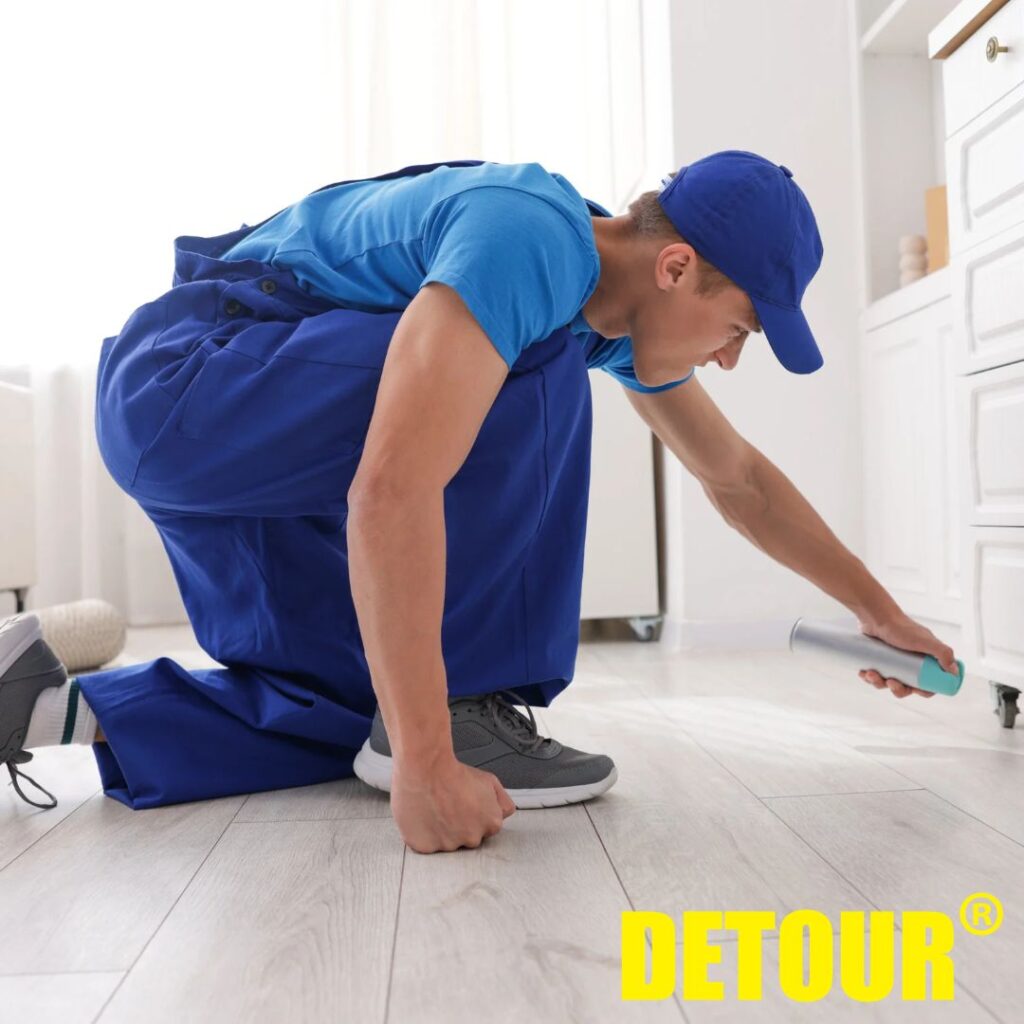
What Should Professionals Address Before Selecting a Product?
Before choosing a rodent deterrent, professionals should identify and address the conditions attracting rodents to the area. This includes sealing entry points, removing accessible food and water sources, and reducing potential nesting areas.
Rodent deterrents are most effective when used as part of a comprehensive rodent management strategy. Leaving entry points open or food sources available can reduce the effectiveness of the treatment.
- Entry points: gaps, pipe penetrations, door sweeps, rooflines. At dusk, lights off; leaking light shows gaps.
- Food and shelter: spilled feed, open storage, clutter, wall voids.
- Activity patterns: Identify areas with concentrated rodent activity, such as droppings, gnaw marks, tracks, and nesting materials.
- Site conditions: dust, porous surfaces, food zones, children and pets.
Example: In DETOUR’s Planet Hollywood Las Vegas case study, booths were pulled to expose runways, and DETOUR® Rat Repellent Gel went wherever droppings or urine trails were noted.
How Should Professionals Choose a Deterrent Format?
Match the format to the surface you need to protect and what the label allows there.
Cracks, pipe penetrations, cabinet corners | DEOTUR® Rat Repellent Gel 8 oz. Squeeze Tube | ½-inch zig-zag bead, no tools |
Foundations, perimeters, utility entries | Standard caulking gun | |
Pantries, drop ceilings, dock seals | DETOUR® Rat Repellent Gel Trays | Gel-side up on a runway; check daily |
Wire harnesses, engine bays | Spray 4–6 in.; engine off and cool |
In food facilities, treat only the structure and perimeter, never food-contact surfaces. Always read the current label.
How Can Tracking Inform Deterrent Placement?
Tracking shows where rodents really travel, and a contact deterrent only works where rodents touch it.
The RatTrax® Tracking Tunnel uses food-safe UV powder. After 24–48 hours, a blacklight sweep shows glowing footprints leading to entry points and nests.
Example: DETOUR® tips call for placing RatTrax® along attic runways before and after treatment, and checking tunnels weekly. Treat each runway the trail reveals in a continuous bead; gaps let rodents pass.
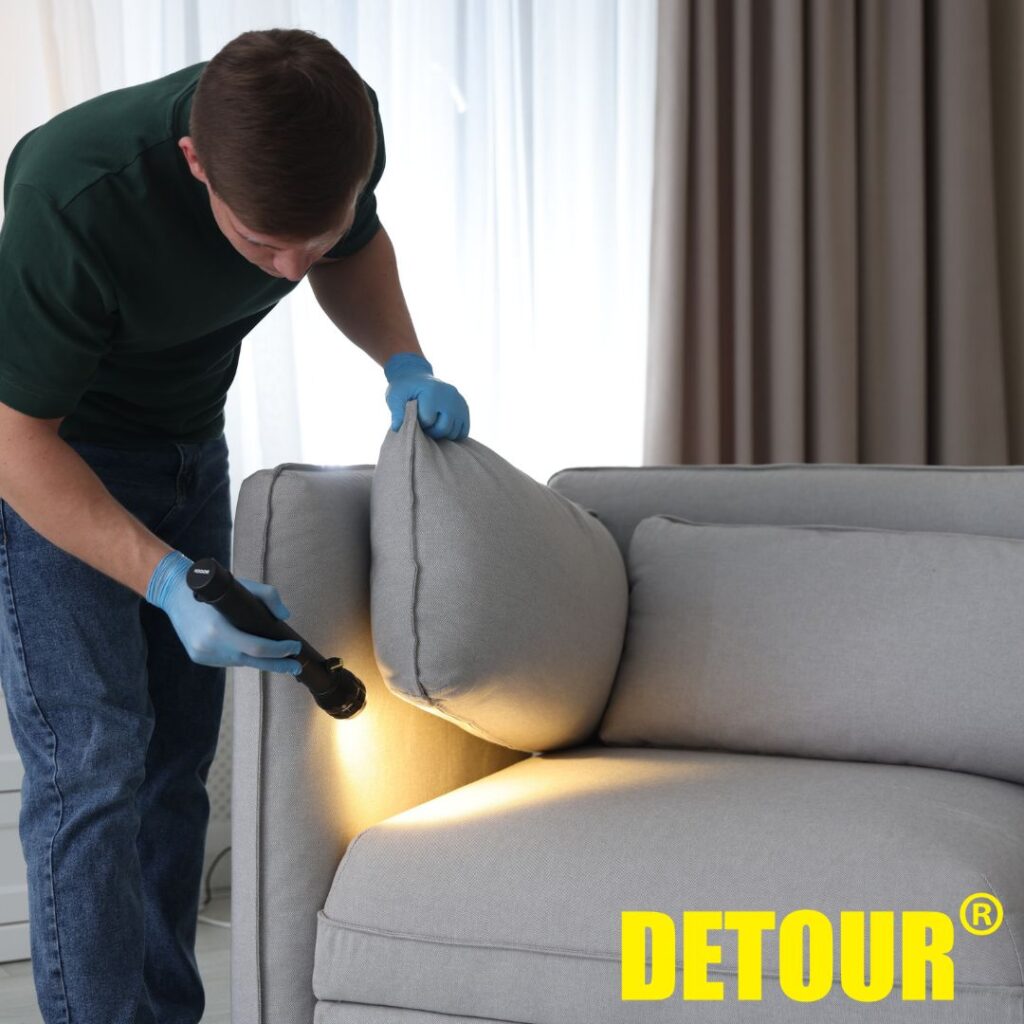
How Should Professionals Measure Progress?
Compare inspection records and monitoring results from the same spots over time.
- Baseline: map every bead, tray, and treated wire, with photos and dates.
- Recheck: fresh droppings, gnawing, disturbed gel.
- Track again on the same runway.
- Watch for activity shifting to untreated points.
Example: At Planet Hollywood, DETOUR® reports zero rat sightings 2+ months after application across seven kitchen venues, plus 6+ hours a week of an Orkin technician time saved.
If activity continues, look for a missed entry, new food, an untreated route, or worn, dusty gel. Adjust the plan and reapply as the label directs.
Final Thoughts: Where Rat and Mouse Deterrents Fit in Your IPM Program
Deterrents fit where inspection shows a surface needs protection. They work alongside sanitation, exclusion, monitoring, and traps, never instead of them.
Explore the DETOUR® product line to match a format to the job.

FAQs About Rat and Mouse Deterrents in Integrated Pest Management
What's the difference between a deterrent and a control measure?
A deterrent changes where rodents go; control measures such as traps remove them. DETOUR® repels without killing.
Should entry points be sealed before a deterrent is applied?
Usually. Seal first, then treat around the seal. Rooflines are the exception: treating first lets rodents inside leave.
How do you decide where to place deterrent gel?
Follow inspection and tracking evidence. Treat active runways and entry points with a continuous bead.
How can you tell if a deterrent is working?
Recheck the same treated spots: fewer fresh droppings, less gnawing, fewer tracks.
When should an IPM plan be adjusted?
When activity continues or moves. Re-inspect for missed entries, food, or untreated routes before adding more product.
Protect Your Flock With DETOUR®
A cleaner, tighter coop is the foundation of rat prevention. Add a deterrent layer to help protect your feed, eggs, and flock. Explore DETOUR® rat deterrent products to find the right format for your coop, or see where to buy DETOUR® rat repellent today.