
How to Keep Rodents Away From Seeds: Storage and Prevention Guide
To keep rodents away from seeds, store them in sealed metal or thick glass containers, keep the storage area clean and dry, close the gaps mice and rats use to get inside, and place a contact repellent along their entry routes. No single step is enough on its own. Layering secure storage, sanitation, exclusion, and deterrence gives you the best chance of protecting garden seeds, bird seed, and grass seed through the season.
Best Rodent-Proof Seed Storage Containers
The container is your first line of defense. Mice can chew through paper, cardboard, fabric, and most thin plastics, so original packaging should never be the only barrier.
Good options for rodent-proof seed storage include:
- Galvanized metal bins or cans with tight lids for bulk bird seed, grass seed, and feed.
- Glass jars with screw-top or gasket lids for garden seed packets and saved seeds.
- Metal ammunition boxes or tins for small, organized seed collections.
- Heavy-duty, thick-walled plastic totes as a secondary layer only, since a determined rat can still gnaw through plastic.
Make sure seeds are fully dry before sealing them. Airtight containers hold in moisture, and damp seed can mold or lose viability. A cool, dark, dry location protects germination rates and makes the area less inviting to pests.
How to Rodent-Proof Your Seed Storage Area
A strong container helps, but rodents that live in the room will keep testing it. Making the whole space less welcoming matters just as much.
Keep the area clean
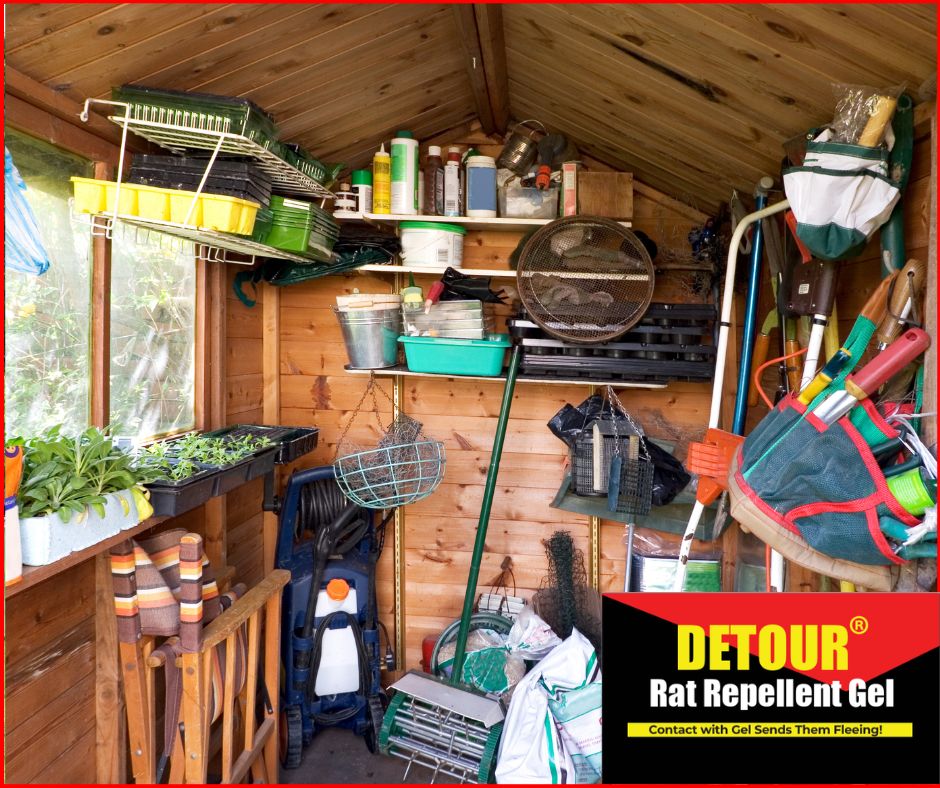
Sweep up spilled seed right away, including the small amounts that fall when you fill feeders or open bags. Remove clutter such as stacked cardboard, old sacks, and unused pots, which give rodents cover and nesting material.
Store seeds off the floor
Place containers on metal shelving at least 18 inches off the ground and a few inches away from walls. Rodents prefer to travel along wall edges, so open space around your containers makes them easier to inspect and harder to reach unnoticed.
Seal the entry points.
A mouse can squeeze through a gap about the width of a pencil. Check door sweeps, vents, pipe and cable penetrations, and gaps where walls meet the floor. Fill small holes with steel wool or copper mesh and sealant, and cover vents with quarter-inch hardware cloth. For a room-by-room checklist, see our guide on how to keep rats out of your home.
Protecting Seeds in Sheds, Garages, and Greenhouses
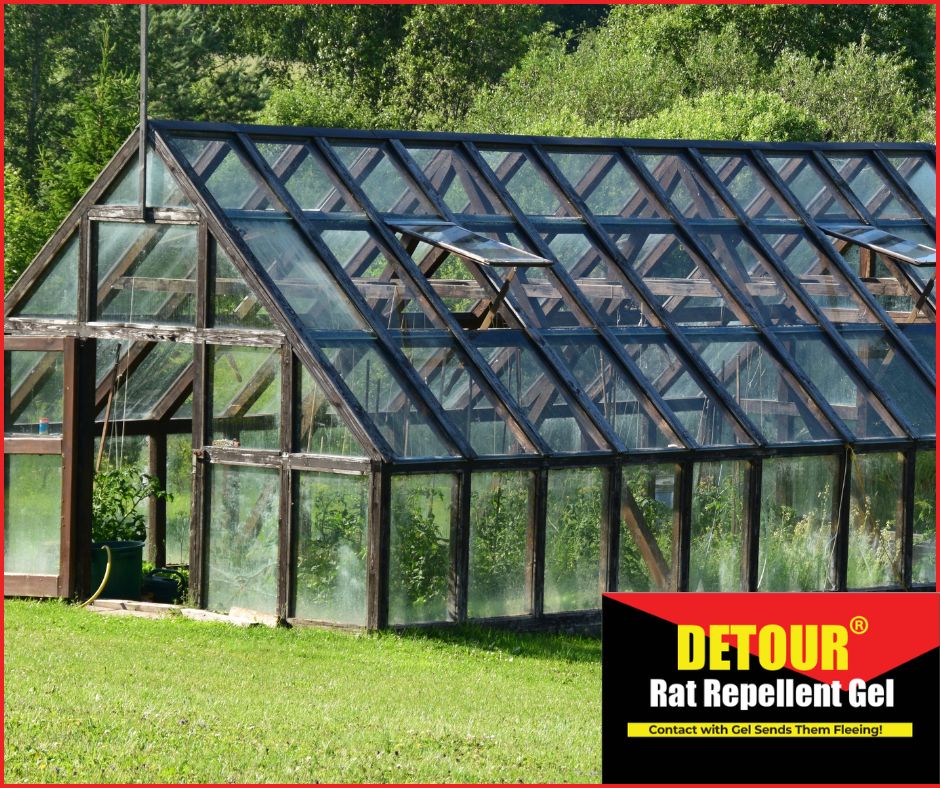
Outbuildings are harder to seal than a house, and they often sit unvisited for weeks. Greenhouses are a special case: warmth draws rodents in during fall and winter, and seed trays give them an easy meal. Freshly sown seeds are often dug up overnight.
A few habits help:
- Cover seed trays with wire mesh cloches or hardware cloth until seedlings are established.
- Keep door thresholds and sidewall gaps tight, especially before the first cold snap.
- Avoid leaving open bags of potting mix, bird seed, or pet food in the same space.
- Trim vegetation and move woodpiles away from exterior walls to remove cover.
Growers managing larger volumes can find more detail on our page covering rodent control for agriculture and grain storage. If you also grow fruit, our article on protecting fruit trees from rodent damage covers the outdoor side of the problem.
Using a Rat Repellent Gel Around Seed Storage
Where gaps can’t be fully sealed, a contact repellent adds another layer. DETOUR® Rat Repellent Gel uses capsaicin, the compound that gives chili peppers their heat. When rodents touch the gel, it causes an irritating sensation that encourages them to leave the area and avoid that route.
The key is to treat the pathways, not the seeds. Apply the gel around door frames, wall penetrations, bin seams, and wall-to-floor edges where rodents travel. Never apply it directly to seed you plan to sow or feed.
Because the gel is made from food-grade components and contains no poison, many people choose it for storage areas where rodenticide is a concern. Our comparison of rat repellent vs. rat poison explains the trade-offs. For placement and reapplication guidance, read the DETOUR® application instructions and always follow label directions.
A repellent works best as part of a wider plan. It supports good storage and exclusion; it doesn’t replace them, and results depend on rodent pressure and how thoroughly entry routes are treated.
Signs Rodents Are Getting Into Your Seeds
Check your storage area every week or two for:
- Small dark droppings near containers or along walls
- Chewed corners on bags, boxes, or plastic lids
- Scattered seed hulls or small piles of hoarded seed
- Greasy rub marks along wall edges
- Shredded paper or fabric used for nesting
If you find contaminated seed, discard it, clean the area while wearing gloves, and look for the entry point before restocking.

FAQs About Keeping Rodents Away From Seeds
What is the best container to keep rodents out of seeds?
Galvanized metal bins with tight-fitting lids are the most reliable choice for bulk seed. For small quantities, glass jars with screw-top lids work well. Rodents can chew through paper, cardboard, and most plastics.
Can mice chew through plastic seed storage bins?
Yes. Mice and rats can gnaw through thin plastic and, given time, thicker plastic too. Plastic totes are better used as an outer layer around metal or glass containers.
How do I keep mice out of bird seed in the garage?
Move bird seed from its bag into a metal can with a locking lid, sweep up spills, store the can off the floor, and seal gaps around the garage door and walls. A repellent gel along entry routes can add another layer of deterrence.
Is rat repellent gel safe to use near stored seeds?
DETOUR® is made with food-grade components and capsaicin, with no poison. Apply it to surfaces rodents travel across, such as door frames and wall edges, not to the seeds themselves, and follow the label directions.
How do I stop rodents from eating newly planted seeds?
Cover seed trays or rows with hardware cloth or wire mesh until seedlings are established, remove nearby cover and food sources, and tighten up greenhouse or cold frame entry points.
Protect Your Seeds Before Rodents Find Them
Rodent prevention is easier than cleanup. Combine rodent-proof containers, a clean storage space, and sealed entry points, then add a non-toxic barrier where rodents are most likely to get in. Explore DETOUR® rat deterrent products to find the right format for your shed, garage, or greenhouse, or see where to buy DETOUR® rat repellent near you.