
How to Keep Rats Out of Chicken Coop: 8 Prevention Tips
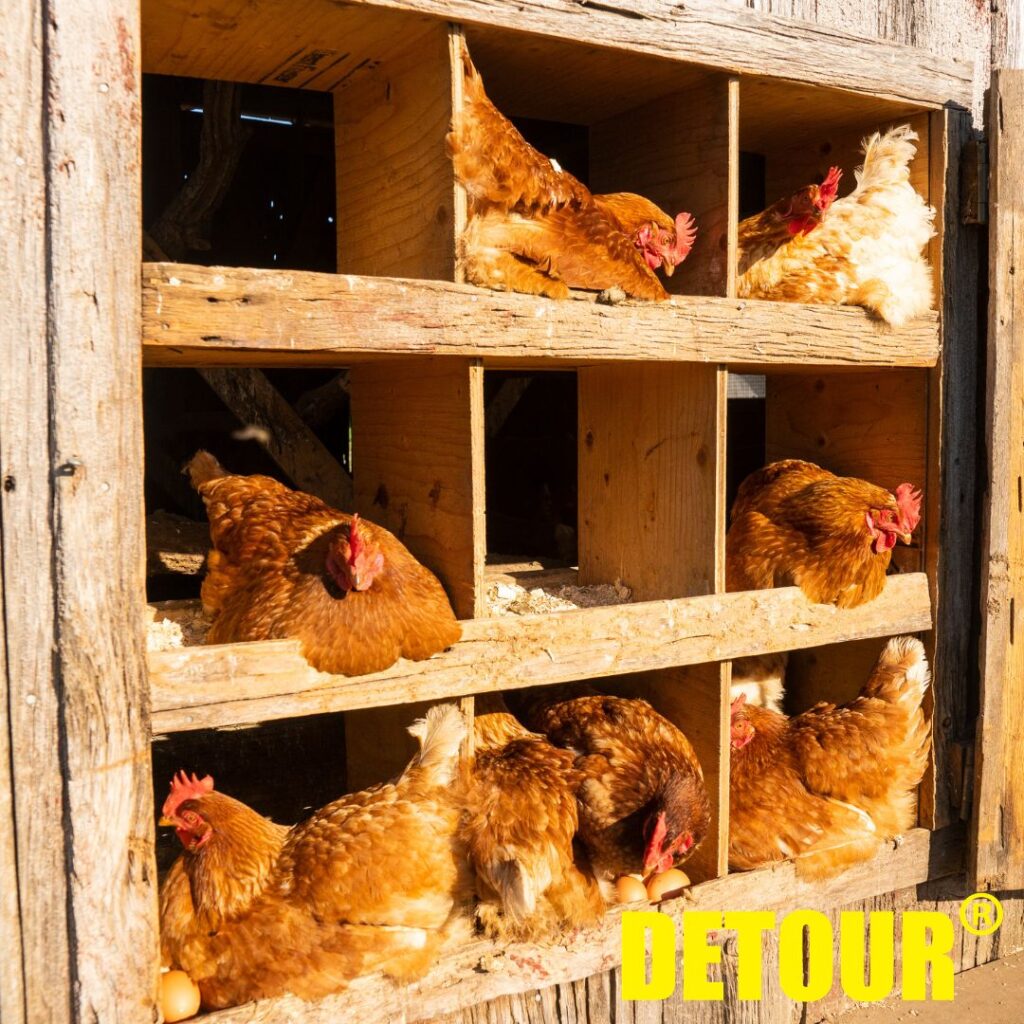
To keep rats out of a chicken coop, remove what attracts them and block the ways they get in. Store feed in sealed metal containers, clear spilled feed every evening, collect eggs daily, cover every opening larger than ½ inch with hardware cloth, and stop rats from digging under the walls. A non-toxic rat deterrent at entry points adds another layer of protection. No single step works alone, but together they make your coop far less inviting.
Why Rats Are Attracted to Chicken Coops
A coop offers rats everything they look for: grain, fresh water, warm bedding and shelter from predators. Rats are not usually after adult hens. They come for feed, eggs, and sometimes young chicks.
Once a colony settles in, rats contaminate feed with their droppings, chew wiring and timber, and stress the flock leading to lower egg production. Prevention is much easier than dealing with an established population, which is why rat prevention for farms and agricultural buildings starts with targeting their food, access, and shelter.
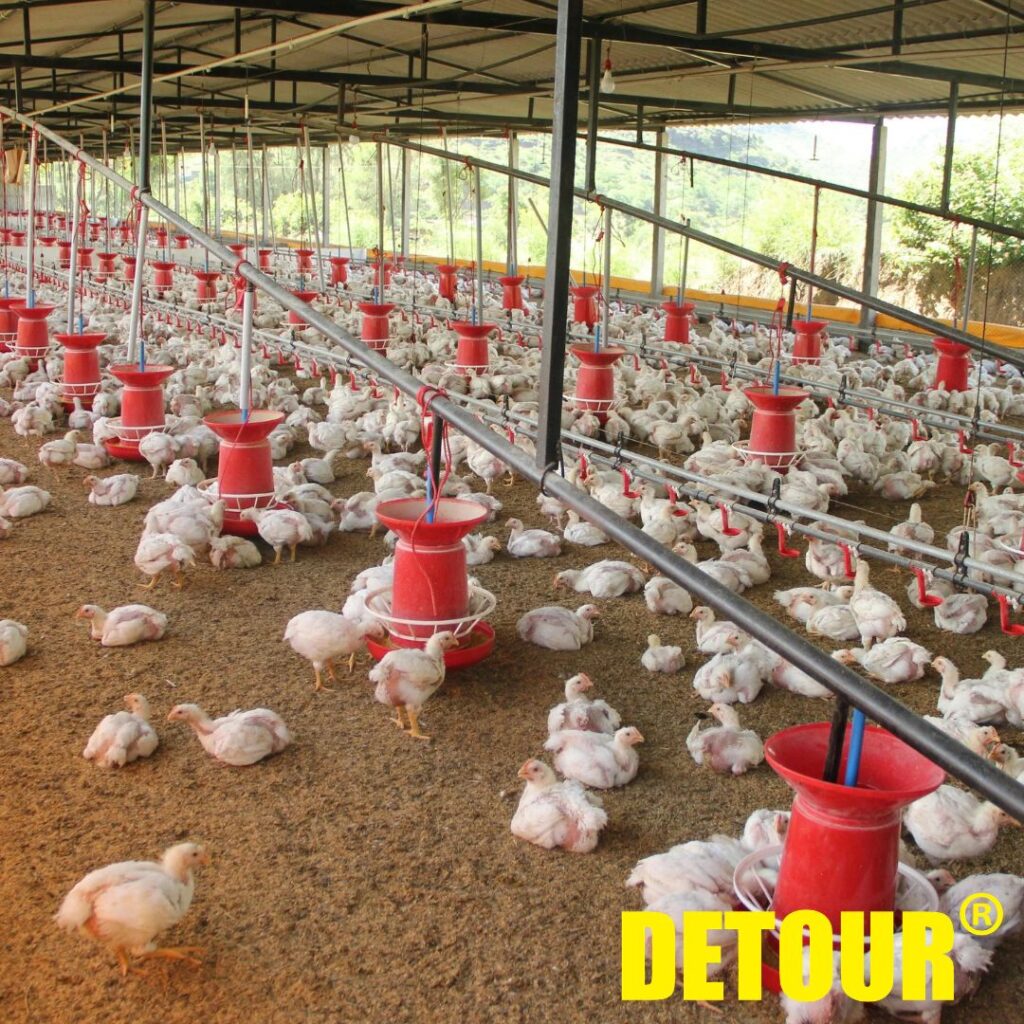
8 Ways to Keep Rats Out of a Chicken Coop
1. Store Chicken Feed in Rodent-Proof Containers
Rats chew through plastic bins and paper feed sacks with ease. Keep all feed, scratch grains, and treats in galvanized metal bins with tight-fitting lids. Store the bins off the ground if you can, and never leave open bags in the coop or shed.
2. Clean Up Spilled Feed and Remove Feeders at Night
Rats are nocturnal and feed mostly after dark. Offer only what your flock eats in a day, sweep up spills before dusk, and bring feeders inside overnight or close them. Treadle feeders, which open only under a hen’s weight, also cut down on waste and spill that attracts rats and mice.
3. Collect Eggs Daily
Eggs left in nesting boxes are an easy meal. Collect them at least once a day, twice in warm weather, and remove any cracked or broken eggs straight away.
4. Rat-Proof the Coop With Hardware Cloth
Chicken wire keeps hens in, but it does not keep rats out. Young rats can squeeze through gaps of about ½ inch. Cover windows, vents, and run walls with ½-inch or ¼-inch galvanized hardware cloth, and patch holes in floors, doors, and eaves with metal flashing. The same inspection habits apply to houses, as covered in how to keep rats out of your home.
5. Stop Rats From Digging Under the Coop
Rats are strong burrowers. Bury hardware cloth about 12 inches deep around the perimeter, or lay a wire apron flat on the ground extending 12 to 18 inches outward. A concrete floor makes burrowing harder and easier to spot. A raised coop on legs prevent burrowing altogether.
6. Remove Clutter and Hiding Places Around the Run
Woodpiles, tall grass, stacked pallets, and unused equipment give rats and mice safe cover. Keep a clear strip around the coop, trim vegetation, and move compost heaps well away from the coop
7. Fix Water Leaks and Manage Waterers
Rats need water every day. Repair dripping waterers and hoses, empty standing water, and consider lifting or covering drinkers overnight.
8. Use a Non-Toxic Rat Deterrent at Entry Points
Once the coop is clean and sealed, a deterrent helps discourage rats from testing your defenses. DETOUR® Rat Repellent Gel is a capsaicin-based, non-lethal gel. When rodents touch it, the non-toxicant compound irritates their paws and skin, which teaches them to avoid the treated route. You can read more about how DETOUR® rat repellent works.
Apply it to clean, dry, non-porous surfaces along rat runways and entry points, such as door frames, feed room thresholds, and pipe gaps. Keep it out of direct reach of your birds, pets, and children; wear gloves, and follow all label directions for use around livestock. The DETOUR® application guide explains placement and reapplication. A deterrent supports good coop management; it does not replace it.
Signs of Rats in a Chicken Coop
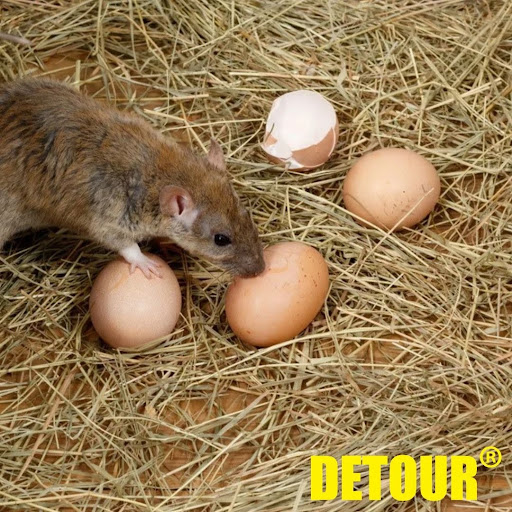
Why Avoid Rat Poison Around Chickens
Rodenticides can harm more than rats. Chickens may eat bait directly, and pets, barn cats, and birds of prey can be affected by eating poisoned rodents. Many backyard keepers prefer exclusion, sanitation, and repellents first. A comparison of rat repellent vs. rat poison covers the trade-offs in detail. For a heavy infestation, contact a licensed pest control professional.

FAQs About Keeping Rats Out of Chicken Coops
What is the best way to keep rats out of a chicken coop?
Combine several steps: sealed metal feed storage, daily cleanup, hardware cloth over every opening, a buried wire barrier, and a deterrent at entry points.
Will rats hurt my chickens?
Rats rarely attack healthy adult hens, but they may take eggs and chicks, contaminate feed and water, and can carry parasites and disease.
Does chicken wire keep rats out?
No. Rats can squeeze through or chew standard chicken wire. Use ½-inch or ¼-inch galvanized hardware cloth instead.
How do I get rid of rats in my chicken coop without poison?
Remove food and water sources, seal entry points, clear clutter, and use non-toxic deterrents. Results depend on how consistently each step is maintained.
Is rat repellent gel safe to use near chickens?
DETOUR® is a non-lethal, capsaicin-based gel. Apply it on entry points and runways out of your flock’s direct reach, and always follow the product label.
Protect Your Flock With DETOUR®
A cleaner, tighter coop is the foundation of rat prevention. Add a deterrent layer to help protect your feed, eggs, and flock. Explore DETOUR® rat deterrent products to find the right format for your coop, or see where to buy DETOUR® rat repellent today.